compost blowing services

compost companies near me


Organic compost tea is an exceptional method to improve the quality of your soil without turning to artificial fertilizers. To make garden compost tea, you will need: 1-2 pounds of natural compost, 1 gallon of water, and a 5-gallon pail with a lid. Mix the garden compost and water in the container and stir well. Cover the pail with the cover and let it sit for 24 hours. After 24 hours, pressure the liquid into another container and discard the solids. Your compost tea is now all set to use!


To make garden compost for a little to medium sized farm or garden, you will need a composting location that has actually not been treated with herbicides or pesticides, natural materials such as lawn or plant clippings that have not been treated with pesticides or herbicides, and time to tend to the garden compost.

worm farm composting

worm farm composting


To make natural compost, you will need to gather materials such as leaves, grass, and manure. As soon as you have your materials, you will need to blend them together in a compost stack or bin. After a couple of months, your garden compost needs to be all set to use.

how to make farm compost


Garden compost tea is an exceptional method to fertilize crops produced by small farms. The tea includes nutrients that can help the plants grow, and it likewise helps to aerate the soil. Compost tea is likewise understood to improve the flavor of vegetables and fruits.

how to make farm compost
composting services near me

composting services near me


Little to medium sized gardens and farms can benefit from creating their own garden compost by following these easy steps: Pick an area for your garden compost bin or pile that is close to a water source and has good drainage. Add a layer of organic products, such as leaves, yard clippings, and fruit and veggie scraps.

worm compost farm


To make the tea, fill the bucket with water and add 1-2 shovelfuls of raw material. Stir strongly or utilize the bubbler to aerate the mixture for 15-30 minutes. The tea is now prepared to utilize. When applying to plants, make sure to dilute the compost tea in order to ensure it is not too concentrated.

how to make farm compost

worm farm compost conditioner


Composting is a natural process that recycles natural materials back into the soil. It is the decomposition of organic matter, such as leaves, yard, and other plant particles, by bacteria and fungi. The process of composting accelerate the decay of these products, making them more available to plants as nutrients and improving the structure of the soil.

worm farm compost conditioner

Frequently Asked Questions

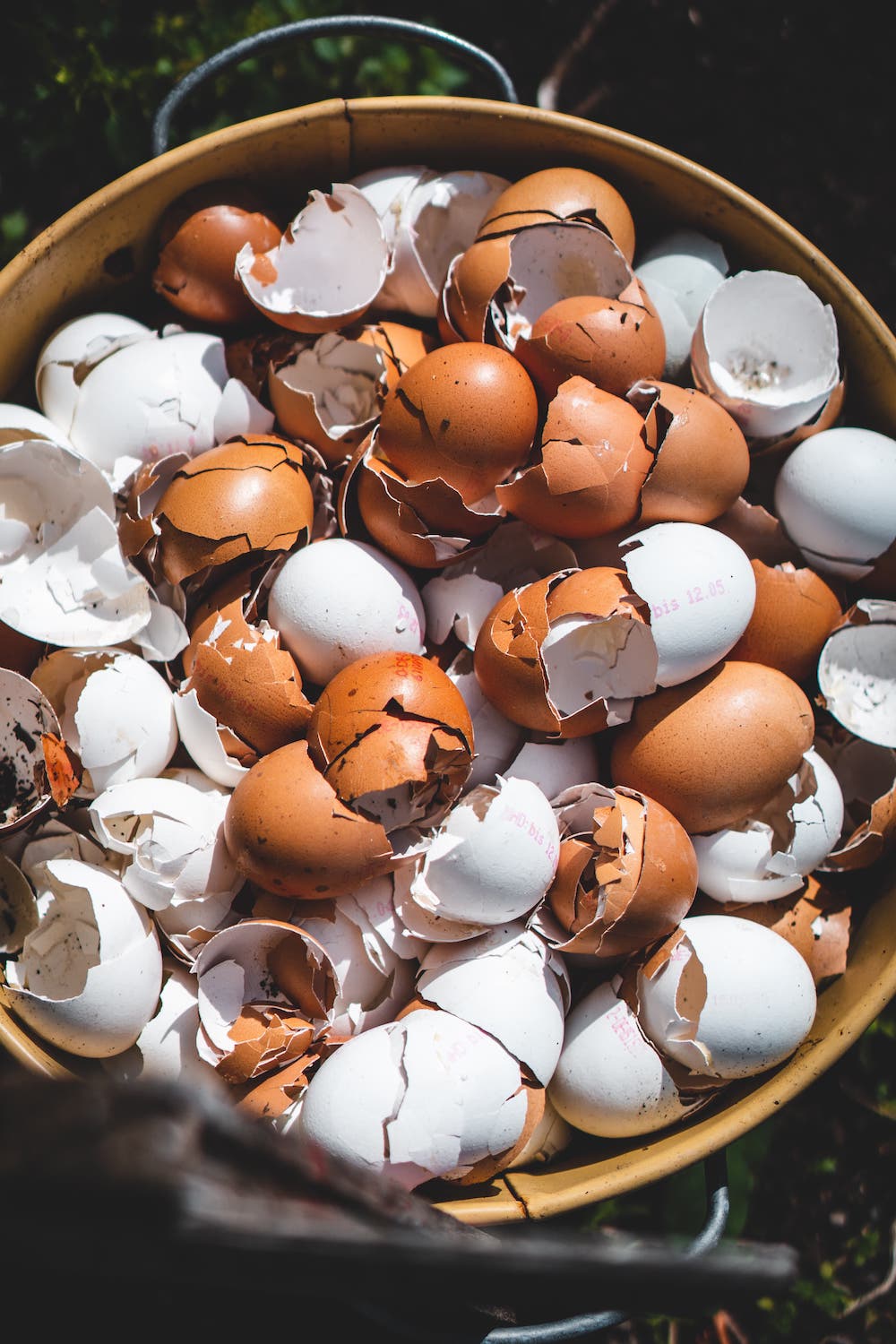
Compost is a type of natural product used to nourish plants and fortify the soil. Many items in our household can be composted, consisting of fruit and veggie peels, coffee premises, eggshells, and lawn trimmings.

You can likewise add wood shavings to your compost heap. Avoid including manure or coal ash, as they contain harmful chemicals. Ensure that the garden compost is not too high in nitrogen. Veggie animal manure is also an excellent addition to your compost pile. In hot environments, however, you must only include raw material that is just recently alive. Avoid including lime to your manure or charcoal, as these waste products can cause your garden compost to PH instability.

Due to the fact that they contain nitrogen and can break down, Tea and coffee grounds are great compostable products. Teabags include small quantities of plastic, so you should carefully compost them independently. Also, shredding paper is an outstanding source of carbon and is relatively easy to absorb. Whole paper might resist breakdown in a house composting system, so it's finest to utilize shredded newspaper rather. To learn more, read our guide to composting tea bags.

When composting plants, keep in mind that diseases can not be composted, as the disease spreads out throughout the soil. If you unintentionally composted a plant that was currently infected with late blight, you might spread the disease throughout your garden, so you need to not place it in your garden compost bin. Likewise, if you are composting treated wood, you must dispose of it right away. The spores of late blight can travel approximately 20 km via the wind.


Many products in our family can be composted, including fruit and veggie peels, coffee premises, eggshells, and backyard trimmings. Prevent adding lime to your manure or charcoal, as these waste materials can cause your compost to PH instability.

When composting plants, remember that illness can not be composted, as the illness spreads throughout the soil. If you unintentionally composted a plant that was currently infected with late blight, you could spread out the disease throughout your garden, so you must not put it in your compost bin.
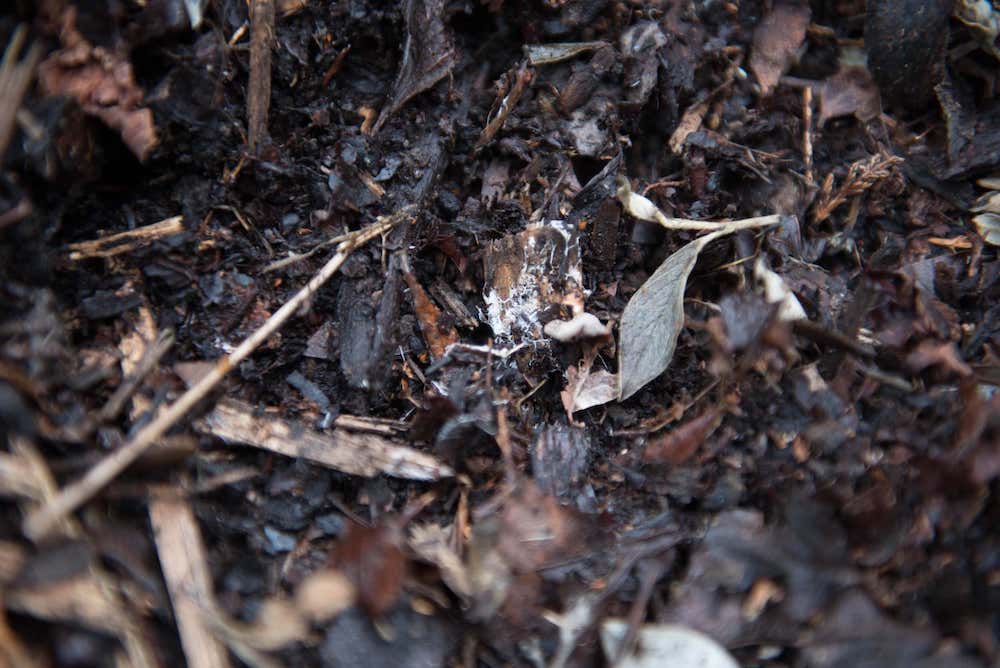
To begin a compost heap, you will need some moist ingredients such as vegetable peelings, fruits, tea bags, and lawn clippings. You can likewise include meat, fish, and poultry - simply remember not to put the whole chicken or fish! - and ensure to add sufficient water to keep the pile moist. You can also include other fast-breaking organics such as cardboard egg boxes and scrunched up paper.

When it pertains to composing your compost heap, you should integrate brown and green materials. Brown products include dry leaves, shredded paper, hay, and straw. Green products consist of cooking area scraps, coffee premises, and fresh plant and lawn trimmings. Mix 2 parts of green products with one part of brown. Mix whatever together till you reach the best consistency for decomposition. You can also mix some dry materials, such as manure, into the stack.

To start the decomposition process, you must add some nitrogen to the mix. Adding a couple of teaspoons of nitrogen fertilizer can assist start the process. The stack needs to feel not soggy however damp. It's likewise important to aerate it every few weeks. Aeration is required to provide oxygen to the microbes associated with the decay process. Aeration likewise assists the compost pile keep the heat in while avoiding the loss of nutrients in rain.

After adding the materials, turn the pile regularly to integrate the bottom layer. Diggs advises turning your pile every seven to ten days. If you're not sure whether to turn your pile, consider consulting a professional to assist you.


To begin a compost stack, you will require some moist active ingredients such as vegetable peelings, fruits, tea bags, and grass clippings. When it comes to composing your compost stack, you ought to combine green and brown products. You can also mix some dry products, such as manure, into the pile.

Aeration likewise assists the compost pile keep the heat in while preventing the loss of nutrients in rain.

Whether you're a novice gardener or a pro, there are numerous ways to make compost. The procedure of making garden compost is reasonably simple, and it's an easy job for any garden enthusiast to deal with.

Not only does composting improve the health of your soil, however it likewise presents beneficial organisms into your soil. Not to mention, it likewise assists to reduce your carbon footprint by recycling kitchen area and lawn waste, which you can then utilize in your garden to grow healthy veggies and flowers.

A garden compost pile ought to be turned routinely. In addition, turning your garden compost stack will expose fresh materials and permit helpful organisms to work their magic. Simply be sure to keep your garden compost stack moist.


If you've ever wondered how to make compost, you're not alone. Whether you're a beginner gardener or a pro, there are several ways to make compost. The procedure of making garden compost is relatively easy, and it's an easy task for any gardener to take on.